
What is Sleep Apnea? Uncover the Truth Behind Restless Nights
Do you feel exhausted even after a whole night’s sleep? Is your bed partner tired of wrapping a pillow around their head due to your loud snores? If you are nodding along, you might be among the 39 million U.S. adults struggling with obstructive sleep apnea.
Those restless nights and constant fatigue aren’t random—they could be signs that your sleep is seriously disrupted. The symptoms might seem mild at first, but over time, they can take a toll on your health and leave both you and your loved ones feeling worn out.
The first step to treating sleep apnea is understanding what it is and what the symptoms look like.
Understanding Sleep Apnea and its Symptoms
Sleep apnea is a prevalent sleeping disorder where your breathing repeatedly stops and starts during the night. These consistent interruptions force your brain to briefly wake you up to restart breathing, often without you even realizing it.
When this cycle repeats throughout the night, it disrupts your natural sleep patterns. It prevents you from reaching the deep, restorative stages of sleep. As a result, you wake up feeling tired and groggy, even after what seemed like a full night’s rest.
Over time, this lack of quality sleep can lead to a range of health issues, such as an increased risk of high blood pressure, heart disease, and stroke. Common symptoms of sleep apnea include:
- Loud snoring, especially noticeable by your partner or children.
- Gasping for air during sleep, sometimes with choking sounds.
- Waking up with a dry mouth or sore throat due to breathing through your mouth.
- Feeling unusually tired during the day or falling asleep unexpectedly.
- Frequent morning headaches that can last throughout the day.
The Cause Behind Sleep Trouble and Its Health Impacts
Sleep apnea occurs when the muscles at the back of your throat relax too much during sleep, which causes your airway to narrow or close entirely. This blockage prevents air from flowing freely. That leads to pauses or interruptions in your breathing.
When your brain senses that you are not getting enough oxygen, it subtly wakes you up to reopen your airway, allowing you to resume breathing. These interruptions can happen multiple times per hour, disrupting your sleep cycle.
If left untreated, this constant struggle for oxygen puts strain on your vital organs, contributing to serious health issues such as:
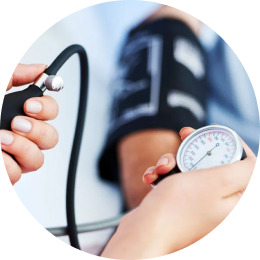
High Blood Pressure
Frequent drops in oxygen levels can increase blood pressure, which puts extra strain on the heart.

Depression and Anxiety
Chronic sleep disruptions can contribute to mental health issues, such as depression and anxiety
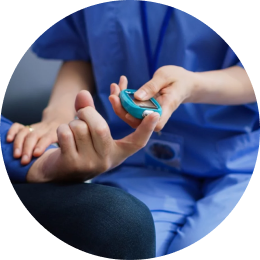
Diabetes
Sleep apnea is associated with insulin resistance and can increase the risk of developing type 2 diabetes

Heart Disease
Repeated stress on the cardiovascular system can lead to heart problems, including heart attacks and arrhythmias.
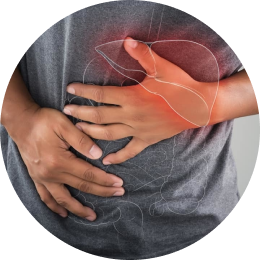
Liver Problems
Fatty liver disease and liver inflammation may be more common in individuals with untreated sleep apnea.
High Blood Pressure
Frequent drops in oxygen levels can increase blood pressure, which puts extra strain on the heart.
Depression and Anxiety
Chronic sleep disruptions can contribute to mental health issues, such as depression and anxiety
Diabetes
Sleep apnea is associated with insulin resistance and can increase the risk of developing type 2 diabetes
Heart Disease
Repeated stress on the cardiovascular system can lead to heart problems, including heart attacks and arrhythmias.
Liver Problems
Fatty liver disease and liver inflammation may be more common in individuals with untreated sleep apnea.
What are the Risk Factors?

Excess Weight
Individuals who are overweight or obese have a higher risk due to increased fat deposits around the upper airway, which can obstruct breathing.

Age

Family History
If sleep apnea runs in your family, your chances of developing it are higher due to inherited physical traits like a narrow airway.

Gender
Men are more likely to develop sleep apnea than women; however, the risk for women increases after menopause.

Alcohol and Sedative Use
Such substances relax throat muscles, making airway obstruction more likely during sleep.
Benefits of Addressing Sleep Apnea Promptly
Here are the benefits of treating this sleep disorder without delay.

Restored Sleep Quality
By eliminating the interruptions in your breathing, you can finally experience deep, restorative sleep. Therefore, you wake up refreshed and energized every day.

Improved Daytime Alertness
With better sleep, you’ll notice a significant reduction in daytime fatigue. This leads to improved focus, better decision-making, and enhanced productivity throughout the day.

Reduced Risk
of Serious Health Issues
Early treatment helps prevent the long-term complications associated with untreated sleep apnea, such as high blood pressure, heart disease, and type 2 diabetes.

Stronger Heart Health
Treating sleep apnea reduces the strain on your cardiovascular system and lowers your risk of heart attacks and irregular heartbeats.

Better Relationships
Snoring is the number one reason behind a sleep divorce. By treating sleep apnea, both you and your partner can enjoy peaceful, uninterrupted sleep every night.
Restored Sleep Quality
By eliminating the interruptions in your breathing, you can finally experience deep, restorative sleep. Therefore, you wake up refreshed and energized every day.
Improved Daytime Alertness
With better sleep, you’ll notice a significant reduction in daytime fatigue. This leads to improved focus, better decision-making, and enhanced productivity throughout the day.
Reduced Risk of Serious Health Issues
Early treatment helps prevent the long-term complications associated with untreated sleep apnea, such as high blood pressure, heart disease, and type 2 diabetes.
Stronger Heart Health
Treating sleep apnea reduces the strain on your cardiovascular system and lowers your risk of heart attacks and irregular heartbeats.
Better Relationships
Snoring is the number one reason behind a sleep divorce. By treating sleep apnea, both you and your partner can enjoy peaceful, uninterrupted sleep every night.
Frequently Asked Questions About Sleep Apnea

Ready for Better Sleep?
If sleep apnea has sneaked into your life and makes you struggle every night, book an appointment at our practice. Early diagnosis and treatment can improve your health, enhance your daily energy, and give you back the restful nights you deserve. We are here to guide you through every step of the process and ensure you get the care you need.